Stress is an unavoidable part of life, but it does not give birth to take over your life. Whether it’s work-related stress, financial stress, or personal stress, there are several strategies you can use to reduce stress and live a happier, healthier life. This blog post will go over some effective stress-reduction and relaxation techniques.
1. Determine the source of your stress.
The first step in stress reduction is to identify the source of stress. This may entail taking a closer look at your lifestyle, work environment, or personal relationships. Once you’ve identified the source of your stress, you can take steps to reduce or eliminate it.
2. Exercise regularly
Exercise is a great way to reduce stress. It releases endorphins, which are natural mood-boosting hormones, and reduces the levels of cortisol, the stress hormone. Regular exercise also helps improve sleep quality, which in turn reduces stress levels. Try to incorporate at least 30 minutes of exercise into your daily routine.

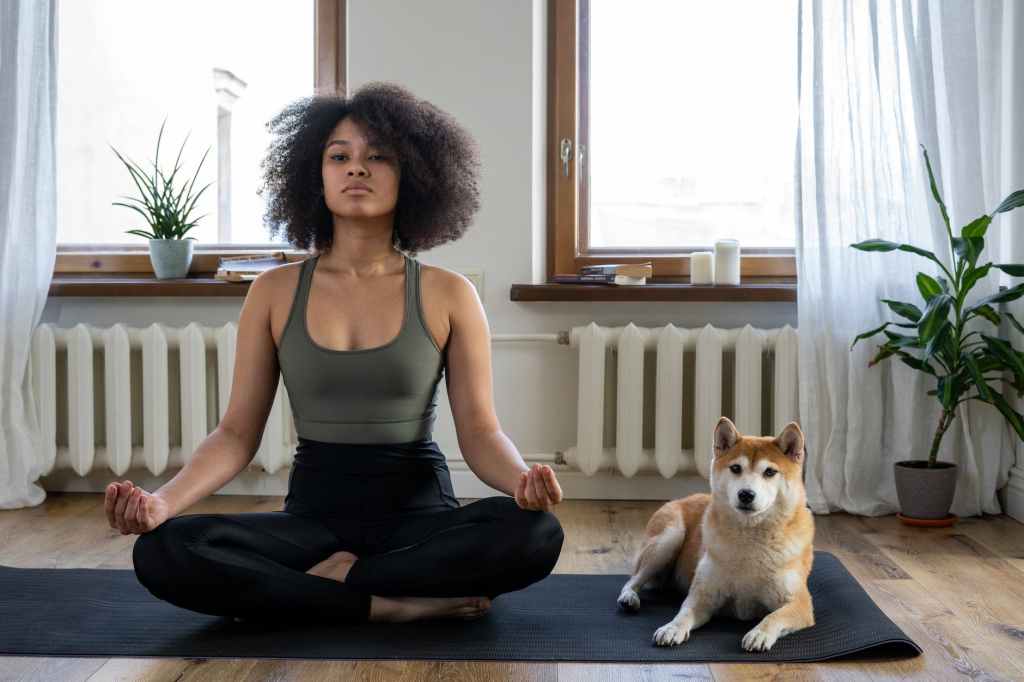
3. Practice Relaxation Techniques
Relaxation techniques like yoga, meditation, and deep breathing can help reduce stress levels. These techniques promote relaxation, reduce anxiety, and improve mood. You can also try progressive muscle relaxation, which involves tensing and then relaxing each muscle group in your body.
4. Get Enough Sleep
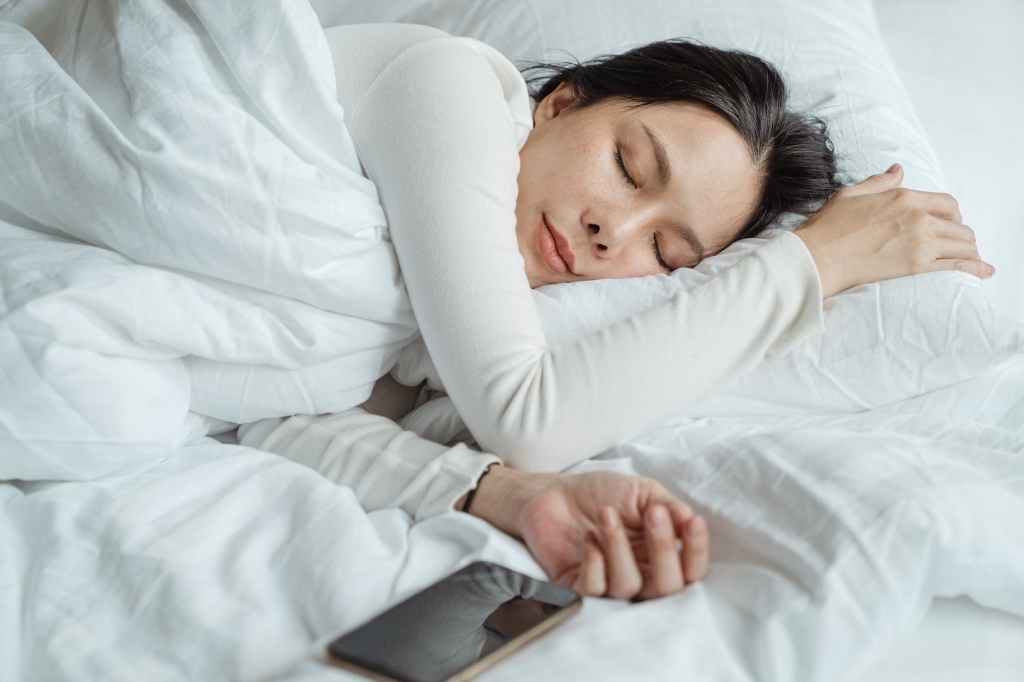
Lack of sleep can increase stress levels, so it’s important to get enough sleep each night. Try to establish a regular sleep schedule and avoid using electronic devices before bedtime. If you have trouble sleeping, try using white noise or taking a warm bath before bed.
5. Eat a healthy diet
Eating a healthy diet can help reduce stress levels. Try to eat a balanced diet that includes plenty of fruits, vegetables, whole grains, and lean protein. Avoid caffeine, sugar, and alcohol, which can increase stress levels.

6. Connect with others
Social support can help reduce stress levels. Talk to friends and family, join a support group, or volunteer in your community. Connecting with others can help you feel more supported and less alone, which can reduce stress levels.

7. Prioritize your time
Prioritizing your time can help reduce stress levels by giving you more control over your life. Make a to-do list, set realistic goals, and learn to say no to things that aren’t important. This can help you feel more in control and less overwhelmed.

8. Laugh and have fun
Laughter and fun activities can help reduce stress levels by promoting relaxation and improving mood. Watch a funny movie, spend time with friends, or engage in a hobby that you enjoy. Taking time for yourself and doing things you enjoy can help you feel more relaxed and less stressed

9. Seek professional help
If you’re experiencing chronic stress or if stress is affecting your daily life, it’s important to seek professional help. A therapist or counselor can provide support, and guidance, and help you develop coping strategies to manage stress effectively.

10. Practice gratitude
Practicing gratitude can help reduce stress levels by shifting your focus away from negative thoughts and feelings. Take time each day to reflect on what you’re grateful for, whether it’s a good friend, a warm meal, or a beautiful sunset. You can write these things down in a gratitude journal or simply take a few moments to appreciate them in your mind. Practicing gratitude can help you feel more positive and less stressed
In conclusion, stress is a part of life, but it doesn’t have to control your life. By incorporating these simple strategies into your daily routine, you can reduce stress levels and live a happier, healthier life. Remember to identify the source of stress, exercise regularly, practice relaxation techniques, get enough sleep, eat a healthy diet, connect with others, prioritize your time, laugh and have fun, and seek professional help if needed.
 Health hush